Choosing the right childcare is a big decision for any parent. In Australia, two popular options are Family Day Care and Long Day Care. Both provide safe and caring environments, but they are quite different in how they work.
This guide explains the differences between Family Day Care vs Long Day Care so you can choose the best option for your child and your family.
What is Family Day Care?
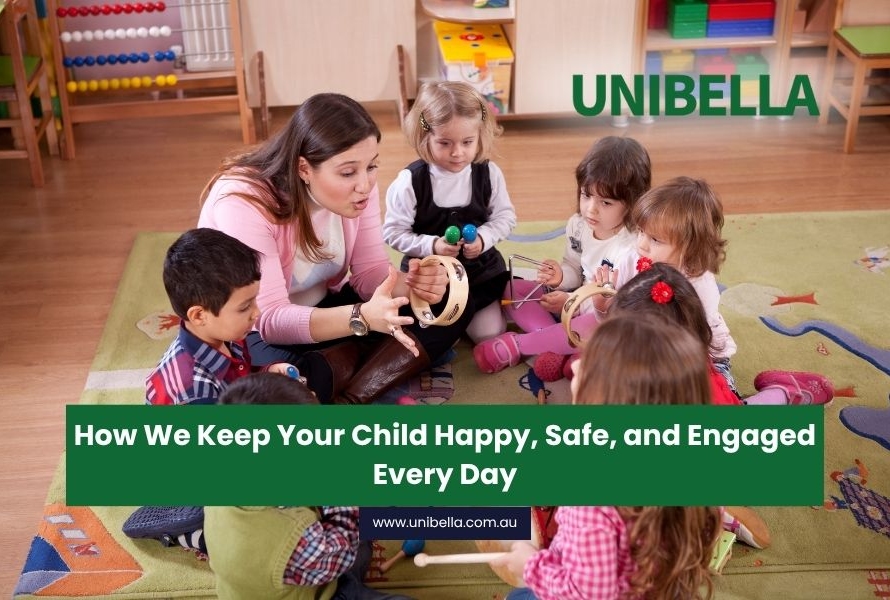
A Family Day Care (FDC) is a type of childcare offered in a domestic setting, typically by a registered educator who is responsible for a small group of children.
Key Features of Family Day Care:
- Small groups: These are normally 4-7 children and therefore provide personalised attention.
- Home-like setting: The learning occurs at the home of the educator, and this provides a warm and homely atmosphere.
- Flexible schedules: A number of FDC educators provide flexible shift schedules or irregular hours.
- Individualised learning: The activities are specific to the developmental requirements of each child.
- Social bond: Children usually develop a close relationship with teaching staff and fellow children, which makes them feel like part of the community.
Family Day Care is perfect when parents want to have flexible and personalised care of younger children or parents who do well in small groups.
What is Long Day Care?
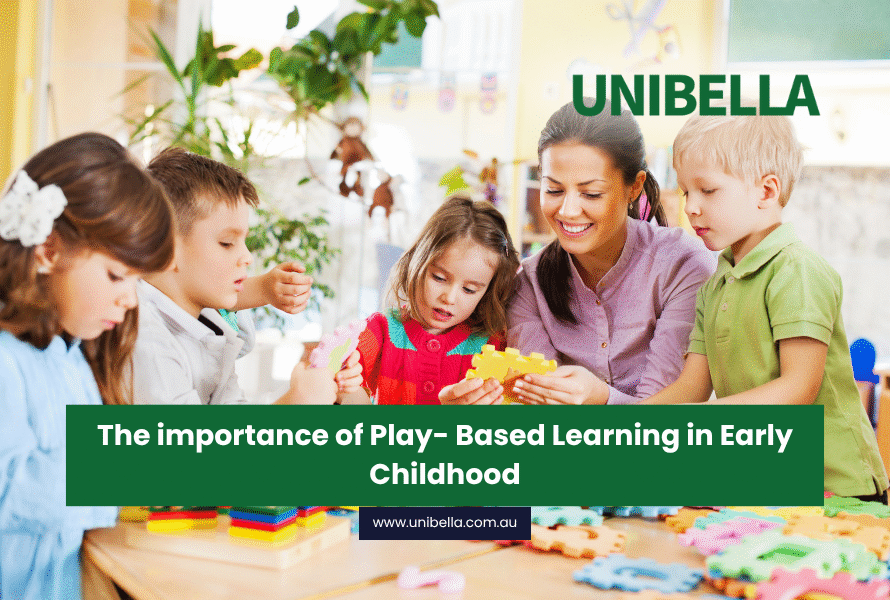
Long Day Care (LDC) is center based childcare, which usually runs throughout the morning till late afternoon and serves infants, as well as preschool-aged children.
Key Features of Long Day Care:
- Structured programs: Consists of educational activities that are in line with the early childhood curriculum.
- Larger groups: Centers are stocked with several rooms that have controlled educator-child rates.
- Fixed hours: 810 hours daily, Monday-Friday.
- Socialisation opportunities: Children interact with others in bigger groups, which improve social skills.
- Skilled teachers: Centers have trained early childhood teachers and assistants.
Long Day Care is ideal in those families in which the parents have a regular routine and curriculum, especially when they both work at normal time.
Family Day Care vs Long Day Care: Side-by-Side Comparison
The following is an obvious comparison that you may use in choosing between childcare options:
| Feature | Family Day Care | Long Day Care |
| Group Size | Small (4–7 children) | Larger (10–30 children per room) |
| Environment | Home | Centre |
| Flexibility | High (custom hours) | Moderate (fixed schedule) |
| Learning Style | Individual, informal | Structured curriculum |
| Cost | Often cheaper | Usually higher |
| Socialising | Close bonds in a small group | Many peers, broad interaction |
| Educators | Registered individual | Team of qualified educators |
Considering these features helps you match your childcare choice to your child’s personality and your family’s lifestyle.
Benefits of Family Day Care
Family Day Care offers unique advantages for Australian families:
- Personalised attention: Smaller groups allow educators to focus on each child’s development.
- Flexible care options: Ideal for parents with non-standard working hours.
- Home-like comfort: Children often settle faster in a familiar, cosy environment.
- Strong relationships: Close connections with educators enhance emotional security.
- Community integration: Many FDC educators participate in local playgroups or excursions.
Benefits of Long Day Care
Long Day Care also has its benefits:
- Educational programs: Activities facilitate early learning results.
- Development of social skills: Bigger groups allow working with a team and solving conflicts.
- Routine and Structure: Helps children to live by predictable schedules.
- Resource accessibility: Centers tend to possess more facilities as well as have more access to learning materials.
- Professional supervision: Senior teachers will make sure that care is conducted in accordance with national standards.
Choosing the Right Option for Your Family
When deciding between Family Day Care vs Long Day Care, consider:
- How important is flexibility? FDC offers more adaptable hours.
- Does your child thrive in small or large groups? Temperament matters.
- Are structured educational programs a priority? LDC centers typically have curriculum-based learning.
- What’s your budget? FDC can be more affordable, depending on the location and age of your child.
- Would you like a home-like experience or center experience?
The most effective methods of making an informed choice are visiting local services, speaking to educators, and considering the personality of your child.
Final Thoughts
Family Day Care and Long Day Care are equally safe environments where children grow and learn and socialise. The outstanding distinction is with regard to group size, form and elasticity. Based on these differences, you can easily decide on the kind of childcare that will suit the needs of your child and the lifestyle of your family.
At Unibella Child Care, we know every child is unique. Whether you prioritise a personalised home-like setting or a structured educational environment, we’re here to guide you.
Take the first step today, contact Unibella Child Care to find the perfect childcare solution for your family!